How Poor Air Quality Impacts Sleep Quality and Productivity in Schools and Offices

We usually take care of the food we eat or the water we drink, but the air we breathe indoors matters just as much. The air may contain dust, pollutants, and allergens. These are invisible but impact your body's functioning ability. In schools and workplaces with poor airflow, the environment becomes uncomfortable. It disrupts sleep cycles, decreases attention, and productivity levels.
When the indoor conditions are appropriate, you breathe better, you sleep well at night, and your mind is clearer and more alert during the daytime. For this reason, a central ventilation system, fresh air systems, and other clean air methods are becoming a necessity.
The Connection Between Air Quality and Sleep Quality
Sleep is when one's body recovers. But restful sleep is impossible if the air is stale or polluted.
1. Oxygen and Carbon Dioxide Balance
To permit proper sleep, oxygen has to be balanced in the body. In close spaces, carbon dioxide accumulates and builds up at night. An excess of carbon dioxide reduces oxygen levels, which directly affects sleep. Anytime oxygen is reduced, the body will not relax, nor will the brain be able to recharge.
2. Sleep Issues from Poor Air Quality
Some of the most common issues attributed to indoor air quality issues are:
- Sleeplessness - The inability to sleep due to discomfort or difficulty in breathing.
- Perturbation - Waking up numerous times during the night.
- Morning Grogginess - Waking up feeling sleepy or tired after a full night's rest.

Impact of Air Quality on Productivity in Schools and Offices
The proof linking air quality to performance is extremely strong. As bad air cuts down on sleep time, it impairs the way people work and think.
- Cognitive Performance
Office workers and students require rapid concentration, memory recall, and rapid decision-making to function effectively. Dirty or stale air reduces the level of oxygen to the brain. Headaches, numbness, and a lack of concentration are triggered by it. Studies show that tasks take longer and errors increase in poorly ventilated spaces.
- Absenteeism and Health Disruptions
Bad air induces chronic coughs, allergies, and respiratory issues. In schools, it becomes the cause of children missing precious lessons. In offices, it means employees taking additional sick days. The result is the same: daily routines cut into overall productivity.
- Reduced Efficiency in Classrooms and Workplaces
Even if there are individuals around, dirty air can reduce what they accomplish in a day. Educators can struggle to keep up with the students. Office groups can be drained before completing the day's work.
Solutions to Improve Air Quality in Schools and Workplaces
1. Central Ventilation and Fresh Air Supply
A central ventilation system is the most effective solution for ensuring consistently healthy indoor air. It continuously delivers filtered outdoor air while removing stale indoor air, keeping oxygen and carbon dioxide levels balanced. Constant air exchange also prevents the buildup of dust and pollutants, keeping rooms clean, hygienic, and comfortable.
- Continuous, controlled supply of fresh air in all areas.
- Regular filter replacement guarantees consistently high air quality.
- Seasonal adjustment prevents humidity issues and mold growth.
- No “air pockets”: even circulation in classrooms and offices.
2. Why Air Purifiers and Standard HVAC Systems Are Not Enough
More importantly, these units only recirculate existing indoor air. With no supply of outdoor air, pollutants remain trapped inside. Even standalone or tabletop purifiers cannot provide genuine air quality improvement without fresh air exchange.
Central ventilation systems from Zehnder, delivered by Lufitat, provide the decisive advantage:
- Fresh outdoor air is constantly supplied.
- Stale indoor air is extracted at the same time.
- Certified F7, F8, and F9 filters ensure high-level particle filtration.
- Systems are tailored to room size, occupancy, and usage type — for reliable, engineering-based results.
Use of typical Air Purifiers and HVAC Systems vs. Lufitat Cutting edge technology from Zehnder
1. Ventilation and Fresh Air Flow
The installation of either a Central Ventilation System or Fresh Air System is advantageous to indoor spaces in maintaining a healthy indoor environment. The systems provide filtered outside air and remove stagnant interior air, keeping oxygen and carbon dioxide levels equal. Constant airflow prevents dust and pollutant deposits, maintaining a clean indoor space.
- Utilize Fresh Air System with constant, balanced airflow in all spaces.
- Replace filters from time to time to maintain high-quality air.
- Shifting ventilation based on the season prevents the accumulation of entrapped humidity.
- Provide for air circulation to avoid pockets of stale air in classrooms and offices.
2. Air Purifiers and HVAC Systems Compared to Zehnder's Cutting-edge Technology
Most air purifiers on the market operate on a commercial basis, often promoted with claims like “HEPA filters” or “silent operation.” However, many of these devices lack the technical capacity—such as strong airflow or powerful fans,required to effectively capture fine particles (e.g. ePM1 or ePM2.5). The visible darkening of filters in such devices is often due to surface dust, not true filtration performance.
Furthermore, these units only recirculate indoor air, without any exchange with fresh outdoor air. In spaces with closed-loop air conditioning, this means pollutants remain trapped and are not replaced by clean air. Tabletop or standalone purifiers, especially those without outdoor air intake, cannot deliver genuine indoor air quality improvement.
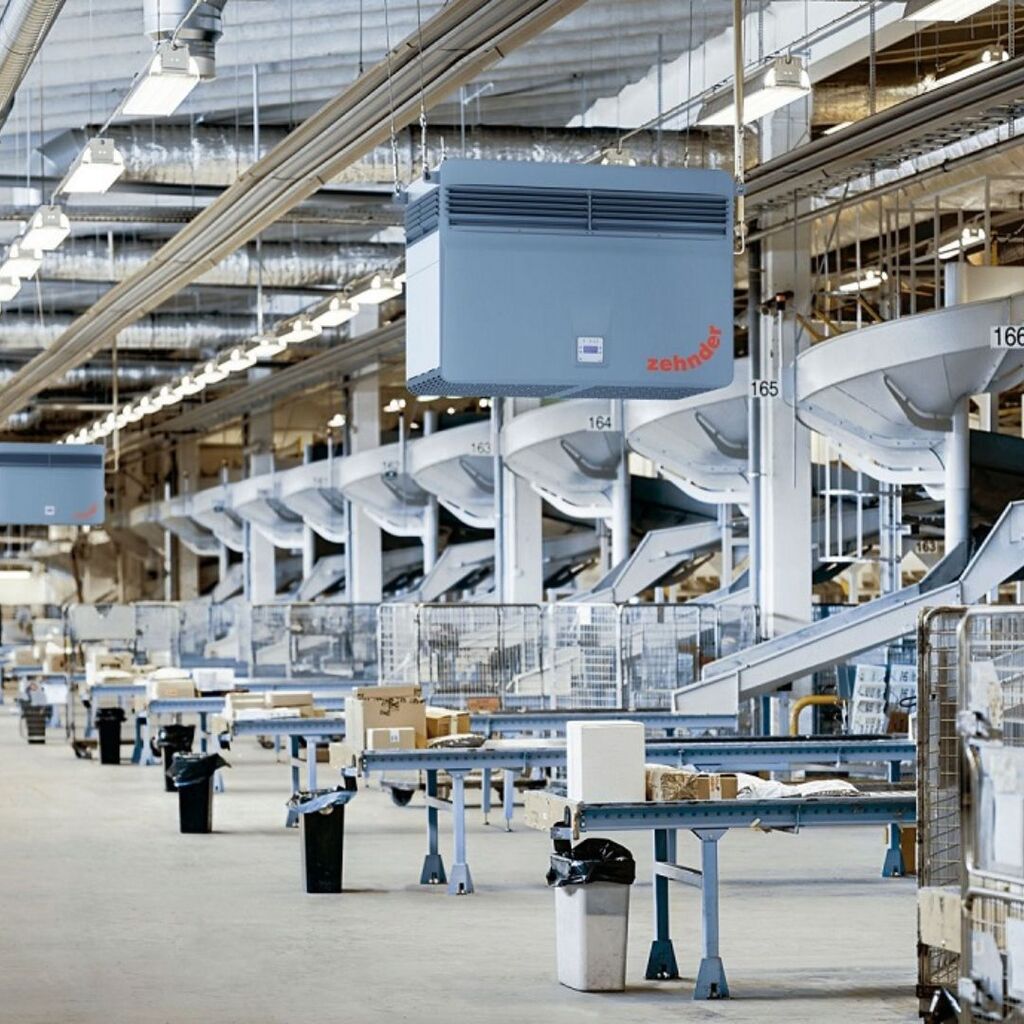
In contrast, Zehnder systems provided by Lufitat are designed based on engineering principles. We calculate the ideal solution based on occupant number, room volume, and usage type. Our systems bring in fresh outdoor air, filter it using certified F7, F8, and F9 filters, and extract stale indoor air — ensuring balanced, clean, and healthy air in your environment.
In dusty and humid regions such as the GCC, we recommend professional cleaning and inspection every six months for optimal performance.
Conclusion
Because air is invisible, people often forget its value. However, we can observe what air does, how we sleep, how we think, how we work, and so on.
In Dubai and throughout the GCC, indoor air cannot be ignored. With Zehnder's Central Ventilation Systems, Fresh Air Systems, and other clean air solutions now available through Lufitat.
At the end of the day, clean air isn’t a luxury; it’s a fundamental right. At Lufitat, we believe fresh air is a necessity, not a luxury.
